

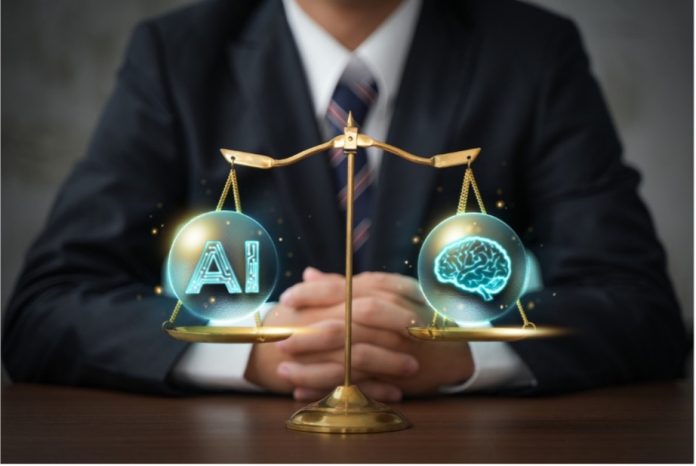
Let’s be honest: AI is no longer some shiny tech dream on the horizon. It’s here. It’s embedded in your inbox, your workflows, and maybe even your job descriptions. The big question now isn’t when AI will impact your organisation, it’s whether your people know how to use it effectively.
Across industries, leaders are investing millions in AI-powered tools, but they’re often flying blind when it comes to talent. What does “AI-ready” actually mean for your workforce? Which skills do your analysts, engineers, or project managers need to succeed alongside machines?
According to Gartner, 70% of employees haven’t mastered the skills they need for their roles today, let alone for an AI-enhanced future. Meanwhile, only 16% of executives believe their teams have the capabilities to execute their digital strategies.
In short, the tech is evolving faster than the teams using it.
From Hype to Human Capability
While everyone’s talking about what AI can do, the most forward-thinking organisations are asking, “What do our people need to do differently?”
The answers are clear. Teams need to know how to integrate AI tools responsibly, interpret outputs with accuracy, make ethical decisions that machines can’t, manage emerging risks, and clearly communicate the why behind automation.
These five human skills are critical for effective AI adoption:
1. Critical Thinking
AI outputs are only as good as the data and models behind them. Employees need the ability to question assumptions, challenge bias, and validate machine recommendations. It’s about applying judgment and ensuring technology supports sound decision-making.
2. Ethical Reasoning
Responsible AI use depends on people making the right calls. Organisations should be looking for staff who can spot bias, promote transparency, and weigh the ethical risks of automation. AI cannot replace human values or moral reasoning.
3. Communication
AI can be complex, but effective adoption depends on more than just explaining what the technology does. True communication is two-way: it requires listening, interpreting information, and checking that the message has been understood, not simply delivering it. Leaders and teams need to translate technical outputs into simple, meaningful insights, while also engaging in dialogue to ensure stakeholders can question, clarify, and act with confidence. Without this balance, AI adoption risks getting lost in jargon or misinterpretation, rather than driving informed, shared decisions.
4. Collaboration
AI adoption is never a solo act. It requires cross-functional effort between technical and non-technical teams. Collaboration means working across disciplines, building trust, and ensuring that AI solutions are embedded into the organisation rather than isolated in silos.
5. Adaptability
With AI reshaping roles quickly, adaptability is essential. Employees who are willing to reskill, learn continuously, and remain resilient through change are the ones who will thrive. Adaptability ensures organisations evolve without losing critical knowledge.
Why SFIA Matters for Employers
These aren’t “nice-to-have” attributes. These aren’t “nice to have”. They’re essential human capabilities, and they’re the difference between AI adoption and real transformation.
But here’s the catch: most organisations lack the tools to define and develop these competencies with any consistency. That’s where SFIA, the Skills Framework for the Information Age, comes in.
SFIA is a globally recognised framework that provides a common language for identifying and managing skills across all levels of a digital workforce. It breaks down complex capabilities into clear, structured skill definitions, from technical domains like data science and cyber security to strategic areas like governance, ethics, and stakeholder engagement.
Whether you’re designing job roles, running a skills audit, or planning development pathways, SFIA gives you a practical way to turn strategy into skills and uncertainty into action.
Real-World Impact: Using SFIA to Define AI-Critical Skills
This isn’t theory. It’s already happening at scale.
The UK Government’s Digital, Data and Technology (DDaT) profession uses SFIA to define over 150 digital roles, from AI policy specialists to data engineers. Developed by the Cabinet Office and deployed across departments like HMRC and the Ministry of Defence, SFIA helps public sector leaders to:
- Standardise digital job roles
- Pinpoint capability gaps
- Upskill teams with targeted, role-relevant development
- Speak a common language across HR, tech, and strategy
This structured, repeatable approach gives the public sector a future-ready foundation, and it’s one that’s transferable across industries.
Where APMG Fits In
At APM Group, we are proud to be recognised as a global SFIA partner providing skills assessments. We help organisations get started in applying the framework strategically and practically, whether they are looking to run skills audits, facilitate training, or offer SFIA badges, we guide L&D and transformation leaders to get started in their SFIA journey to build skills for the future.
What Does an AI-Ready Role Look Like?
Let’s say you’ve got a team of data analysts. With AI now part of their daily toolkit, the role isn’t what it used to be. Using SFIA, organisations can clearly identify the new skills required, like:
- Prompt engineering for generative AI
- Model oversight and ethics
- Data governance in automated workflows
- Interpretation and storytelling for AI-driven insights
It’s not about overhauling your workforce. It’s about equipping your people to evolve with confidence, and that often starts from within. Upskilling existing teams is not only faster and more cost-effective than external hiring, it also boosts retention and ensures critical knowledge stays in-house.
With SFIA, you can develop your people with purpose and build future-ready teams by utilising their skills and role definitions so you don’t have to start from scratch.
Build Now or Risk Falling Behind
The talent risk is real. Deloitte recently ranked skills shortages as the number one organisational risk, yet most companies are still relying on outdated job descriptions and generic training to keep up. Gallup notes that less than 25% of organisations are taking tangible action to close skills gaps.
That’s why organisations around the world, public and private, are embedding SFIA into their workforce strategies. And that’s why APMG is proud to lead the charge.
Start with the Right Questions
If you’re serious about AI, start by asking:
Do we know what “AI capability” actually means in our context?
Can we measure it? Develop it? Plan for it?
If not, we can help.
Learn more about SFIA assessments with APMG
https://apmg-international.com/product/sfia-assessments
Explore the full SFIA framework
https://sfia-online.org/en