

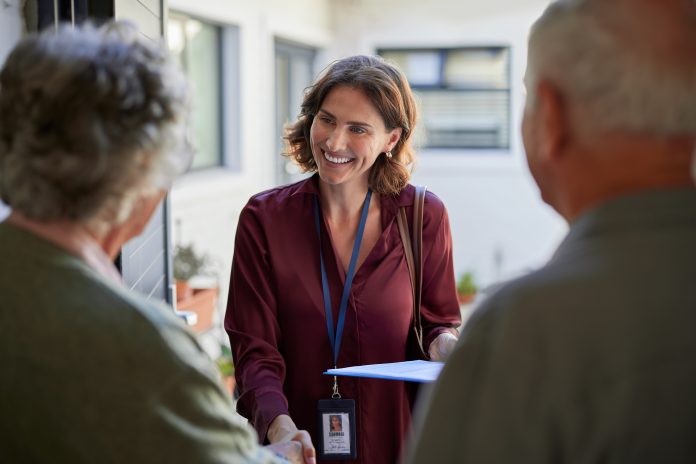
Many renters look for more than a place to live; they seek a community to call home. This aligns with a growing expectation that multi-residential housing requires greater resident engagement. A 2024 Angus Reid Forum survey found that 60 percent of Canadians feel disconnected from their communities. As a result, community resilience emerges as a core framework for property management teams.
By integrating technology-driven communication tools, hosting community events to foster connections, and developing employees’ skill sets, property managers can create a rental community that prioritizes resident engagement.
Community Engagement as a Foundation for Resilience
Rental communities can start by engaging residents through initiatives or volunteer programs. Research from the National Library of Medicine shows that renters benefit from improved health and social outcomes. The following ideas can assist in building a “people-first” community:
- Community clean-up days and tree-planting events can create shared ownership of the neighborhood. These activities bring together residents, volunteers, and staff to improve the surrounding areas and model cooperative initiatives.
- Youth safety programs, such as teaching kids about bike safety, can offer simple ways to build confidence and a sense of community responsibility. Hosting these workshops gives children valuable skills while helping staff and families connect in a supportive setting.
- Community gardens and sustainability workshops can allow residents to grow food and explore gardening techniques. Reinforcing shared goals within the community while collaborating with staff.
- Staff volunteering for food drives and neighborhood cleanups can foster a culture in which service is part of daily work. This allows employees to develop their teamwork skills while demonstrating care for all residents.
Technology-Driven Communication as an Employee Development Tool
Integrating technology into communities is essential for improving responsiveness and transparency within property operations. A 2024 survey from Capterra found that advanced technology features in rental properties would positively influence 73 percent of renters’ decisions when searching for an apartment. There are many opportunities to make use of technology to assist in feedback loops, payments, and essential notices:
- Resident apps streamline day-to-day communication by sending notices, requesting rent payments, and receiving maintenance requests, keeping residents informed and ensuring a user-friendly experience.
- Monthly digital newsletters create a predictable rhythm of connection with updates on events and community news. These give staff opportunities to practice their communication while keeping residents up to date and engaged.
- Annual surveys provide insights into resident needs. This can guide the staff’s development by highlighting opportunities for improvement within a property or community.
- Social media contests and giveaways offer low-barrier opportunities for residents to engage with the community and for property management teams to show their appreciation for their residents through rewards.
Resident-Centered Events as On-the-Job Skill Building for Property Teams
Planning events and activities is one of the most practical ways to enhance the resident experience. In turn, planning can help staff develop their competencies in organization, communication, and conflict resolution. The process highlights potential issues and requires staff to address challenges that require negotiation and problem-solving.
Some examples that benefit both residents and staff include:
- Seasonal gatherings help staff strengthen their logistical and event management skills. Planning holiday lighting ceremonies, movie nights, or craft evenings requires coordination, planning, and adaptability, all vital for developing these skills.
- Seniors’ lunches and coffee chats foster meaningful conversation and give staff opportunities to practice empathy. These informal touchpoints enhance active listening and relationship building across diverse resident groups.
- Family scavenger hunts and free community programming expand staff competence in inclusive design. Activities that involve multiple generations challenge teams to plan creatively, with accessibility and safety in mind.
- Post-crisis outreach is crucial when emergencies arise. Employees can develop empathetic communication skills, and in-person sessions teach staff how to support residents with sensitivity and clarity.
Partnerships That Strengthen Staff Competencies and Community Outcomes
Partnering with local communities can expand property teams’ skill set and build stronger community ties. Whether partnering with the Rideau Valley Conservation Authority (RVCA) to plant trees or with the Green Bin Outreach Team to assist locals with composting, these initiatives help teams better understand residents’ needs. In addition, collaborating with local partners can offer unique experiences for employees and residents:
- Environmental partnerships expose teams to sustainability practices in action. From river clean-ups and compost collection to educational booths, these activities build environmental literacy and teach teams how to manage eco-focused initiatives.
- Safety partnerships with police, fire services, or youth organizations can deepen understanding of community risks and protective measures. Offering staff firsthand exposure to safety education equips them with knowledge that supports resident well-being.
- Community initiatives, such as food bank drives and hospital fundraisers, can broaden teams’ awareness of local needs, grounding them in the social factors that affect residents’ daily lives.
Takeaways for Property Teams Looking to Build Resilience
Building resilient rental communities requires thoughtful engagement across multiple areas. Property teams can adopt several transferable practices to strengthen their connection with residents and enhance services. To recap:
- Integrating multi-channel communication through digital tools.
- Sending out surveys and newsletters to create a reliable flow of information.
- Hosting resident-centered events offering natural opportunities for staff to build on-the-job skills while fostering meaningful interaction.
- Partnering with community groups to expand team competencies and enrich the resident experience.
Taken together, these approaches demonstrate that community resilience is rooted in relationships. When property teams foster an environment rooted in connection, transparency, and collaboration, residents feel supported in their living environment. The outcome is a stronger, more adaptable community that thrives in both easy and challenging times.