


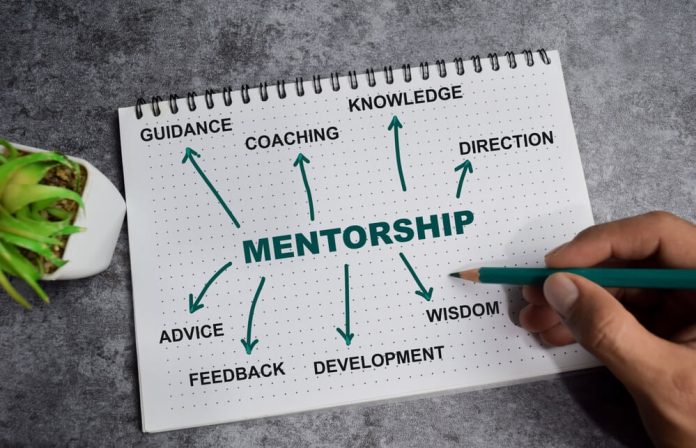
During onboarding, leaders naturally remember to encourage new employees to use the organization’s resources. But do we remember to champion our most important resource—our people? Even though we emphasize how valuable colleagues can be, we may not have a method of creating meaningful connections. To do that, we need to be intentional. One way of being intentional is to use office mentorship.
New employees can quickly feel overwhelmed. As leaders, we casually throw out, “Let me know if you need anything!” invitations that feel more like an end to a conversation than actual offers of help. Other dynamics get in the way of help-seeking for new employees, too. In addition to just not knowing new colleagues, power differentials and general new-to-the-job nerves can make office connections a slow build.
Leaders can help. They can scale office wisdom by building a formalized culture of mentoring relationships.
Why Mentorship?
New employees tend to understand what work is being asked for. They don’t always understand how to do the work. Mentors can bridge that gap with ideas, history, parameters, and more. As new employees get more comfortable with the what and how of the work, their relationships with mentors and peers build. Guidance begins to translate into an increased sense of belonging and purpose.
But mentorship isn’t just for new employees. Now, more than ever, we need to invest in our people. That includes our loyal, dedicated staff who lead themselves well and positively influence our teams. It’s time we move from telling those employees their strengths and ask them to step up into informal leadership roles.
You may not have the ability to offer a promotion to those leading without a title. But you can deepen their engagement, commitment, and leadership by providing them with opportunities to expand their skillset. Bonus? You’ve started succession planning while strengthening their sense of pride in the unit and work.
How to Start an Office Mentoring Program
- Identify your office leaders. Who is already leading without a title? Who is well versed in the unit’s work and connected across the organization? This person likely can speak to alignment, as well as connect new employees to others for future collaboration. Who has effective communication skills and emotional intelligence in addition to technical knowledge? These employees have a balanced approach that can show the more nuanced aspects needed for the job. Lastly, you’ll also want to consider bandwidth and positivity as you think about your possible mentors.
- Create the parameters. After you’ve identified eligible mentors, create parameters and a loose structure for the expectations. How often will the pair meet? How long should the meetings last? When will the formal nature of this mentorship transition to informal check-ins? What dedicated time will the mentor be given for this? We can’t add more to seasoned employees’ plates without making adjustments to ensure the mentor can be available and fully present for someone new to the unit. Having parameters not only provides an informed consent for participation for the mentors, it creates consistency in the unit’s mentorship.
- Have a loose curriculum. Are there certain “topics” that need to be included in mentorship discussions? A curriculum isn’t meant to stifle spontaneity; it’s meant to ensure trickier and more complex aspects of the work are discussed. It’s also a way to be intentional about the time. Remember, a new employee doesn’t know what they don’t know. Like parameters, a curriculum also maintains consistency in the experience and ensures mentors stay focused on critical information as they naturally build relationships.
- Develop a check-in process. Even though your mentors are the unit’s informal leaders, this is a new role and responsibility. Don’t take a hands-off approach. Create a process to formally support them in this new endeavor. They may find themselves in unexpected situations or discussions with their mentees, so it’s important to check in regularly and offer to meet informally if needed. Check-ins could be one-on-one, or you could harness the power of the group with meetings with all the mentors present.
Building a culture of mentorship can take planning and time on the front end, but the rewards are long term and continuous. Mentorship leverages the wisdom and strengths of the team’s leaders while simultaneously investing in newcomers.